Lead Nurturing Masterclass: From Cold Leads to Loyal Customers
Lead Nurturing Masterclass: From Cold Leads to Loyal Customers

In today’s digital world, gaining a new lead is only the first step in a much longer journey. Simply collecting contact information is not enough; the real challenge lies in transforming that initial spark of interest into a lasting, profitable relationship. This is the art of lead nurturing, a strategic process of building trust and demonstrating value over time. It’s about guiding potential customers through their decision-making process, not with aggressive sales pitches, but with helpful, relevant, and timely communication that turns them from cold prospects into loyal advocates for your brand.
The Psychology of Lead Nurturing: Why Timing and Value are Everything

Effective lead nurturing is fundamentally about understanding human connection. Trust isn’t built in a single interaction but is earned through consistent, valuable engagement over time. The core principle is to give before you get; offer genuine help and educational content before you ever ask for a sale. This approach builds a sense of reciprocity and positions your brand as a trusted advisor. Timing is also critical, as delivering the right message at the moment a lead is seeking a solution makes your communication relevant and welcome. Ultimately, nurturing succeeds by aligning your brand’s expertise with your prospect’s needs at each stage of their journey.
Building Your First Automated Email Nurturing Sequence

Creating an automated email sequence is simpler than it sounds. Start with a specific trigger, such as when a user downloads an ebook or fills out a form. The first email, sent immediately, should be a warm welcome that delivers the promised resource and sets expectations. Over the next few days, send a series of emails focused on providing additional value, like sharing helpful tips, customer success stories, or industry insights. Each message should address a potential pain point and educate your lead. Conclude the sequence with a clear, low-pressure call-to-action that guides them to the next logical step, like scheduling a demo or viewing a case study.
An Introduction to Lead Scoring: Identifying Your Hottest Prospects

Lead scoring is a system that helps you prioritize your sales efforts by ranking leads based on their sales-readiness. It works by assigning points to leads for specific attributes and actions. These are typically broken into two categories: demographic and behavioral data. Demographic scoring considers who the lead is, such as their job title, industry, or company size, to determine if they fit your ideal customer profile. Behavioral scoring focuses on what the lead does, like visiting your pricing page, opening emails, or downloading content. By tallying these points, you can quickly identify which prospects are most engaged and ready for a sales conversation.
Using a CRM to Personalize and Automate Nurturing at Scale

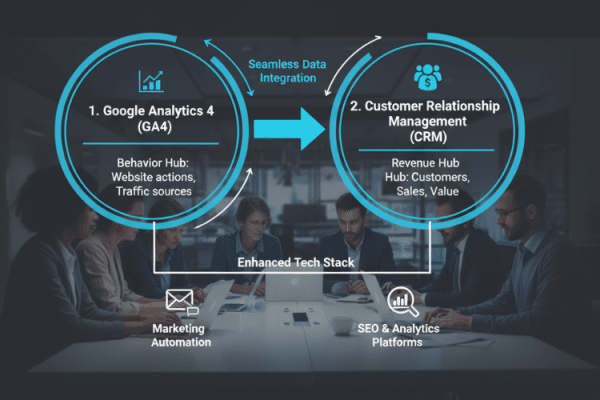
A Customer Relationship Management (CRM) system is the engine of a modern lead nurturing strategy. It acts as a central database, collecting and organizing every piece of information about your leads and their interactions with your brand. This wealth of data allows you to segment your audience into highly specific groups based on their interests, behaviors, and lead score. With these segments in place, you can use the CRM’s automation features to trigger personalized email sequences and communications. This enables you to deliver the right message to the right person at the right time, making every interaction feel personal, even when communicating with thousands of leads.
Beyond Email: Using Retargeting and Social Media in Your Nurturing Strategy

While email is a powerful tool, a truly effective nurturing strategy extends across multiple channels. Retargeting allows you to display targeted ads to leads who have previously visited your website, keeping your brand top-of-mind as they browse other sites and social media platforms. This serves as a gentle reminder of the value you offer. Additionally, social media provides a platform for direct engagement and community building. By sharing valuable content, answering questions, and participating in relevant conversations, you can build authentic relationships and nurture leads in a more informal, conversational setting.
You Might Also Be Interested In These Articles