The Evolution of AI Web Traffic: A New Strategic Era in SEO, GEO, and Performance Marketing
The Evolution of AI Web Traffic: A New Strategic Era in SEO, GEO, and Performance Marketing
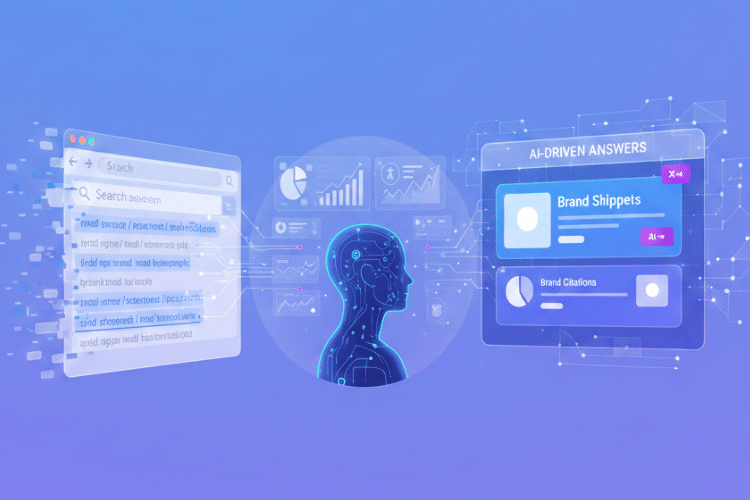
The digital marketing landscape is shifting from traditional Search Engine Optimization (SEO) to Generative Engine Optimization (GEO). Users now prefer receiving direct, curated answers from AI rather than clicking through a list of blue links. In this “Zero-Click” era, a brand’s visibility is measured not by rankings, but by how often it is cited as a “trusted source” by artificial intelligence. Google’s AI Overviews (AIO) and advanced language models are fundamentally changing the nature of web traffic. To survive in this new period, our strategies must pivot from chasing traffic to becoming an integral part of the answer.
AI Web Traffic Sources: ChatGPT, Perplexity, and Gemini Domination
Currently, the vast majority of AI-driven web traffic is dominated by ChatGPT, which accounts for up to 87% of referrals in some benchmarks. However, Google Gemini is rapidly becoming a powerhouse on mobile devices through its deep integration with the Android ecosystem. Perplexity, on the other hand, is preferred by users conducting in-depth research, providing highly qualified traffic. It is now vital for brands to be included in the datasets of these three major platforms, not just Google. Since each platform serves a different user base and intent, a multi-channel AI marketing strategy is essential.
The AI Revolution in Performance Marketing: Shrinking Ad Space and New Opportunities
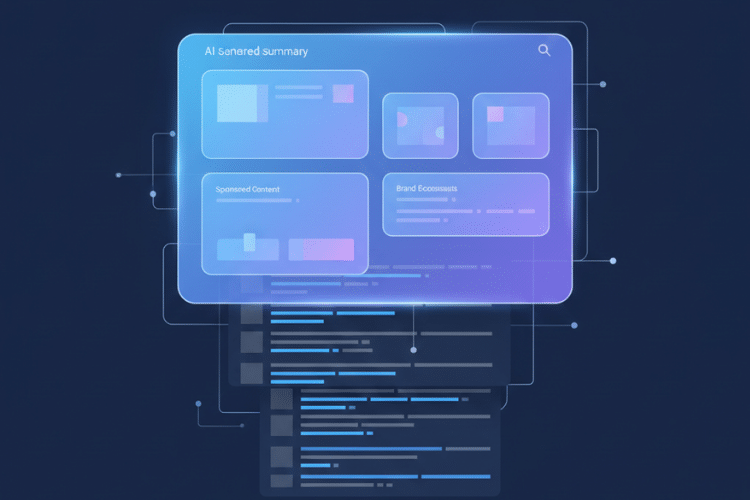
The placement of AI summaries at the very top of search engine results pages (SERPs) is physically shrinking traditional ad space. Organic results and ads are being pushed further down, leading to significant visibility losses and lower click-through rates. However, this situation is creating new opportunities, such as “Sponsored Questions” or contextual ads embedded directly within AI overviews. Marketers must now compete for this shrinking space by providing content that solves user problems rather than just bidding on keywords. What looks like a crisis is actually a new, high-conversion channel for those who adapt correctly through advanced marketing automation.
User Purchasing Behavior and Intent Analysis in AI Web Traffic
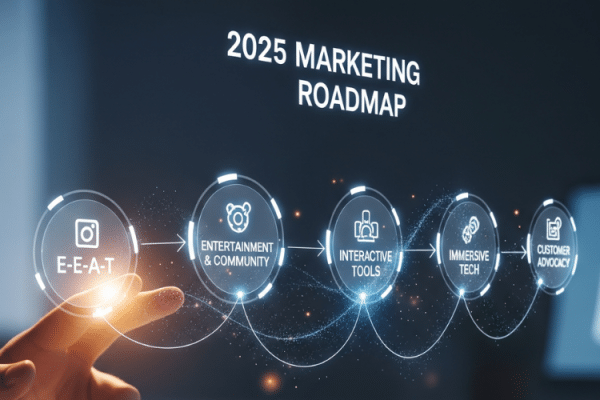
Users arriving from AI-assisted searches demonstrate significantly higher purchasing intent compared to traditional search engine users. Because users refine their needs and filter options while chatting with the AI, they are much closer to a decision by the time they visit your site. Research indicates that traffic from AI chatbots can have conversion rates significantly higher than traditional organic search. These users are not browsing aimlessly; they are looking for direct solutions. Therefore, our content must offer clear solutions and persuasive data rather than general information, following the principles of E-E-A-T (Experience, Expertise, Authoritativeness, and Trust).
User Journey Differences Between Websites and Mobile Apps
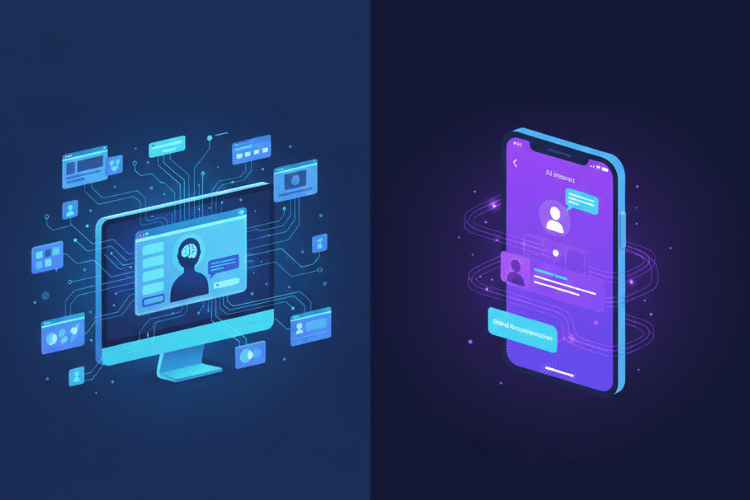
A sharp divide has emerged between mobile and desktop user journeys in the age of AI. Desktop users tend to use AI tools for deep research and are more likely to click through to websites, while mobile users often stay within the app (Walled Garden) to get quick answers. With Gemini replacing Google Assistant, mobile traffic is increasingly trapped within the assistant’s direct responses rather than flowing to the open web. This reality is highlighted by data showing that over 90% of AI search referrals originate from desktop devices. We must structure our strategy to accommodate this dual reality by mapping the customer journey specifically for AI interactions.
AI Web Traffic Opportunities and Gains in Performance Marketing
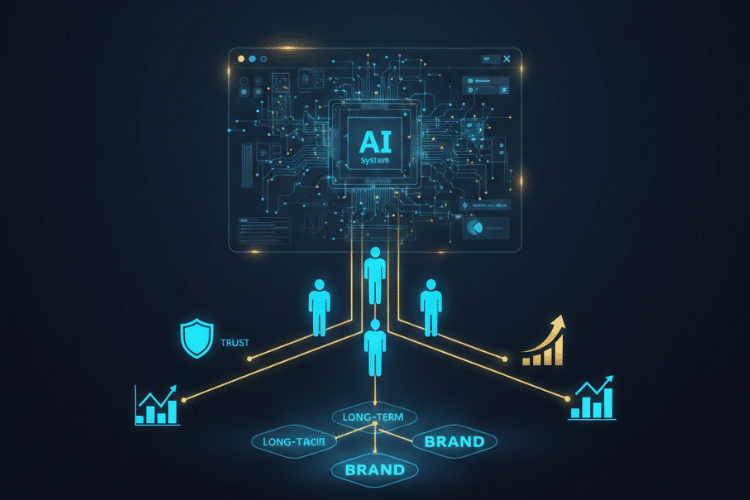
Even if traffic volume decreases in the AI era, the quality of that traffic and brand value are increasing. The new metric for success should be “Citation Share”—how often your brand is recommended by the AI—rather than just click counts. When a user sees your brand in an AI overview, it builds immense trust and awareness, which often converts to direct traffic later, even without an immediate click. Furthermore, because AI traffic is more qualified, it holds the potential to lower customer acquisition costs (CAC). This represents a hidden opportunity to increase the efficiency of marketing budgets through topical authority.
You Might Also Be Interested In These Articles