Future-Proofing Your Website: Essential SEO Strategies for Long-Term Growth
Future-Proofing Your Website: Essential SEO Strategies for Long-Term Growth
The world of SEO is a marathon filled with constantly changing algorithms, and short-term tactics are no longer enough; future-proofing your website is essential for lasting success. This means focusing on time-tested, fundamental strategies that will stand strong against constantly updated trends. In this guide, we will cover essential SEO strategies that will secure your website’s long-term growth and make it resilient to future changes.
Technical SEO Foundations That Will Stand the Test of Time

Great content cannot stand on a technically weak foundation. No matter how much Google’s algorithms change, some technical SEO principles never get old. For example, page load speed, measured by Google’s Core Web Vitals metrics, will always be critical because no user likes a slow site. Similarly, in an age where the vast majority of searches are conducted on mobile devices, a clean, user-friendly site structure that is compliant with mobile-first indexing is indispensable. Clear URLs, a logical site architecture, and a robots.txt file that allows search engines to crawl your site easily are also parts of this foundation. The HTTPS protocol, which offers a secure connection, is now more than just a ranking signal; it’s a standard for user trust. These technical foundations are your website’s best insurance against future algorithm updates.
Beyond Keywords: The Shift to Topical Authority and E-E-A-T in 2025
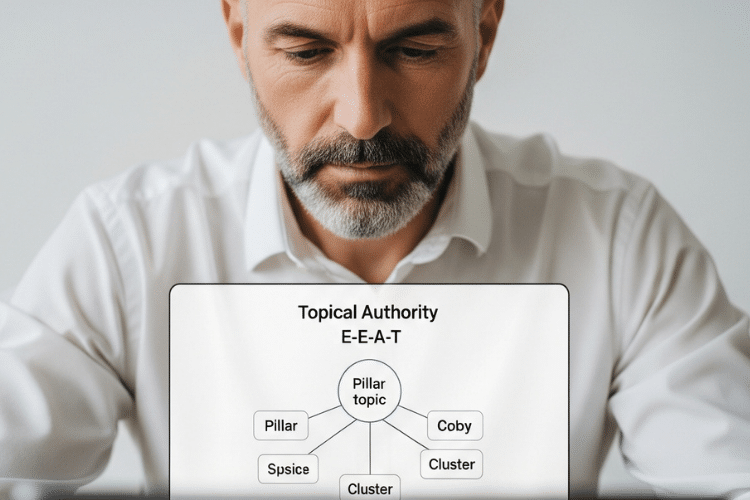
In 2025, Google no longer just rewards pages that contain the right keywords, but sites that are truly expert on a topic. This is where the principles of Experience, Expertise, Authoritativeness, and Trustworthiness (E-E-A-T) come into play. For example, a finance blog proves its authority not by just repeating the keyword “best credit card,” but by publishing a comprehensive guide written by an experienced author that offers in-depth analysis and compares different cards. Brands should build topical authority by answering all questions in a specific area with the pillar and cluster content model. In this model, a “pillar” page covering a broad topic is created, along with “cluster” pages that address more specific subtopics and link back to the pillar page. This approach is a much more sustainable and forward-looking strategy than optimizing for single keywords.
Continuous Learning and Adaptation: The Mindset for Long-Term SEO Growth

The biggest mistake in SEO is saying “my work is done,” because the digital world never stands still. Closely following algorithm changes like Google’s regularly released “helpful content” or “core” updates allows you to proactively adjust your strategy. For example, a link-building tactic that was effective a few years ago might harm your site today. Successful SEO professionals and brands conduct A/B tests, continuously analyze data from Google Search Console and Analytics, and rapidly adapt to new technologies like AI-powered search results. Long-term SEO growth is based not on a specific set of tactics, but on a mindset of continuous learning, testing, and adaptation. This flexibility will protect your website against future uncertainties and ensure the continuity of your growth.
You Might Also Be Interested In These Articles