The Full-Funnel Revolution: Your Comprehensive Digital Marketing Roadmap for 2025 and Beyond
The Full-Funnel Revolution: Your Comprehensive Digital Marketing Roadmap for 2025 and Beyond
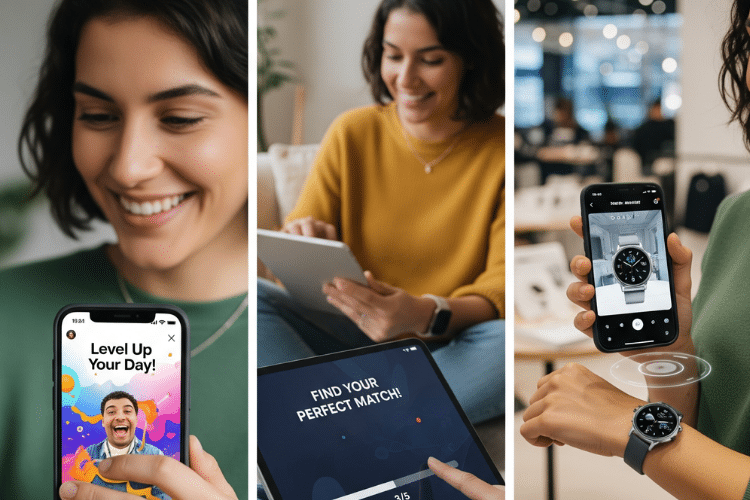
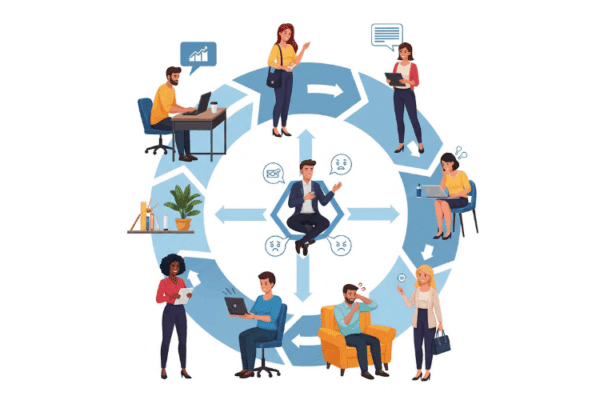
The marketing rules you once knew are a thing of the past. The simple, linear marketing funnel that moved a customer from point A to point B is no longer sufficient to explain today’s complex, multi-touchpoint customer journey. The winners of 2025 will be those who see the funnel not as a one-way street, but as a customer-centric, constantly learning, self-growing, and living cycle. This new approach transforms each marketing activity from an isolated action into a part of an interconnected ecosystem where every element communicates with and nurtures the others.
So, what are the rules in this new game? The secret to success lies in combining three fundamental forces: AI-driven discovery, human-centric engagement, and the unshakable trust built by community. Let’s explore, step-by-step with powerful examples, how to build a sustainable growth engine for your brand.
Top of the Funnel (TOFU): From “Find Me” to “Search for Me”
The top of the funnel (TOFU) is all about brand awareness and discovery. However, Google’s AI-powered answers (AI Overviews/SGE) are radically changing the dynamics of this stage. Users don’t even have to click on a website to get their answers anymore. In this “zero-click search” world, attracting traffic by focusing solely on informational keywords is becoming increasingly difficult and unsustainable. The strategic imperative is no longer just “ranking first,” but creating such strong brand awareness and desire that people start searching directly for your brand.
Case Study: Duolingo’s TikTok Genius
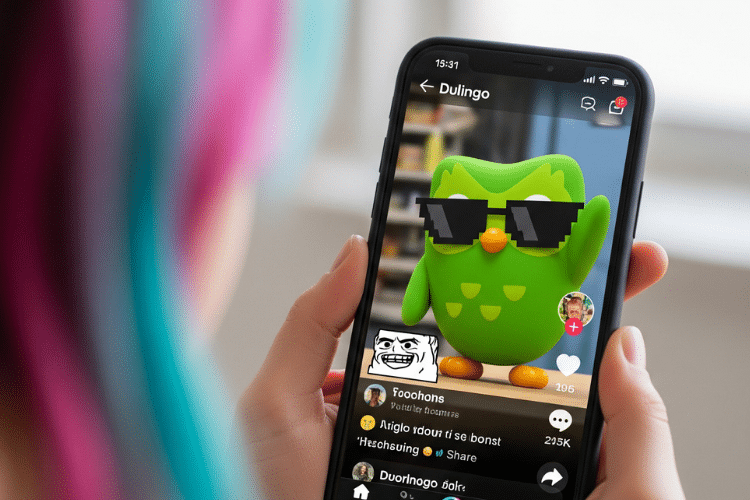
One of the brands that best understands the rules of this new world is the language-learning app, Duolingo. By transforming their green owl mascot, Duo, into a trendy, witty, and even slightly “unhinged” social media character, they turned a potentially boring topic into a viral entertainment phenomenon. Duo’s platonic crush on pop star Dua Lipa or April Fools’ pranks like “Duolingo on Ice” were more than just funny videos; they were a brilliant strategy. What was their secret?
Capturing Pop Culture: They instantly incorporated viral sounds, memes, and cultural events.
Genuine Engagement: They turned their comments section into a conversation hub, building a loyal community.
Reminders Through Entertainment: Every viral video was also a playful reminder to “do your daily lesson.”
Strategically, this approach is the most powerful shield against the organic traffic loss caused by SGE: building brand love. People started searching not for “how to learn a language,” but “what’s Duolingo’s latest TikTok?” The new goal of TOFU is not just to attract information-seekers, but to create an audience that forms an emotional connection with your brand and searches for you directly. These branded searches and social signals naturally produce the powerful authority (E-E-A-T) signals that Google values most.
Middle of the Funnel (MOFU): Building Trust by Delivering Value

Your potential customer now knows your brand and has entered the consideration stage. The primary goal here is not to shout “buy my product,” but to build unshakable trust by proving you offer a unique solution to their specific problems. In a world where third-party cookies are disappearing, this stage is also a golden opportunity to collect invaluable first-party data. This is not a passive information-sharing process, but an active value exchange: your brand offers a personalized solution, and in return, it earns the customer’s trust and their data.
Case Study: Sephora’s Digital Beauty Consultancy
In a market like cosmetics where options are endless, customers can easily get overwhelmed. Sephora solves this problem with interactive quizzes like its “Hair Care Finder.” The quiz doesn’t just ask, “What’s your hair type?”; it deepens the experience with personal questions like, “What are your hair goals?” and “What scents do you prefer?” As a result, instead of a standard product list, it delivers a custom solution package that feels as if you’ve had a consultation with an in-store expert. This approach is the most effective way to bring E-E-A-T to life. A static blog post claims you are an expert. An interactive quiz demonstrates that expertise by living it with the customer. The customer leaves this digital consultation session with both valuable information and increased trust in the brand. This creates a much deeper and more lasting bond than passive content consumption.
Bottom of the Funnel (BOFU): Eliminating All Doubt
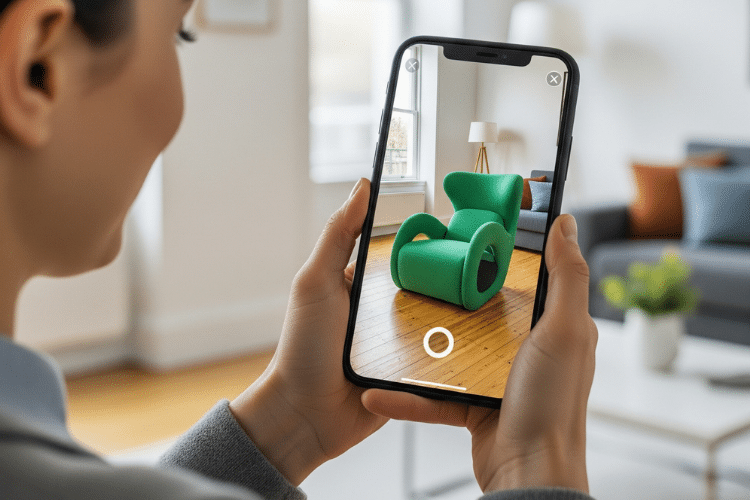
The customer is now very close to making a purchase, but one critical question remains in their mind: “Will this product really fit into my life, my home, my style?” The technology that removes this final and greatest barrier to online shopping is Augmented Reality (AR). AR closes the gap between the digital and physical worlds, turning the customer’s “what if?” into a confident “yes, it works.”
Case Study: “Try Before You Buy” with IKEA Place
The biggest anxiety in furniture shopping is whether that beautiful sofa will look right in your living room or if that shelf will fit in the corner. IKEA made this problem a thing of the past with its “IKEA Place” app. Using your phone’s camera, it allows you to visualize the furniture you choose in your own room, in 3D and true to scale. This isn’t just a fun feature; it’s a powerful sales tool that eliminates the customer’s biggest doubt and makes the purchase decision incredibly easy. Research shows that AR experiences can increase conversion rates by up to 94%. Offering a “try before you buy” experience is no longer a novelty for certain industries; it’s becoming a basic customer expectation. Investing in immersive technologies like AR is one of the most effective ways to increase conversion rates and reduce product returns, and brands that cannot offer this experience will be at a significant competitive disadvantage.
Beyond the Funnel: Turning Your Customers into Your Strongest Marketers

Marketing doesn’t end with the sale. The most profitable and sustainable growth begins after the purchase, when you turn a satisfied customer into a loyal advocate. The goal of this stage is to create passionate ambassadors from one-time buyers who will tell your brand’s story for you. This creates a self-starting, self-fueling growth engine.
Case Study: Letting the Customer Tell the Story with GoPro
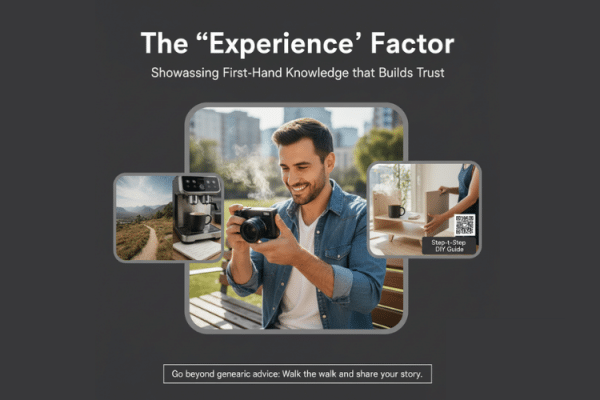
GoPro is the master of this cycle. Almost all of the brand’s marketing materials are composed of breathtaking videos and photos shot by its own users. GoPro does more than just sell an action camera; it gives its customers a platform and the inspiration to become storytellers. The video of a mountaineer or a surfer sharing their own adventure is far more authentic and persuasive than any polished corporate ad. The genius of this strategy is that it connects the end of the funnel back to the beginning. These happy customers and the content they create (UGC) generate the most powerful social proof for new customers and send the most natural Experience and Trustworthiness (E-E-A-T) signals to Google. In short, the advocates you create at the end of the funnel are your most potent fuel, attracting new customers to the very top. Your competitors can copy your ad budget, but they cannot copy the organic love and trust created by a loyal community.
Conclusion: Your 2025 Action Plan

To win in the future of marketing, your roadmap must include these five steps:
- Prove Your E-E-A-T: Don’t just claim you’re an expert; show it with interactive tools and customer stories.
- Embrace Entertainment: Don’t just inform; entertain and build a community like Duolingo.
- Use Interactive Tools: Earn trust and data by offering personalized solutions.
- Invest in Immersive Tech: Eliminate pre-purchase doubt with technologies like AR.
- Build a Real Community: Allow your most loyal customers to become your best marketers.
You Might Also Be Interested In These Articles